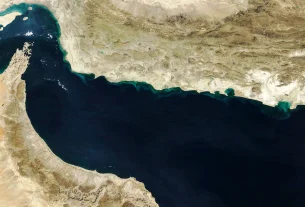
Iran Israel war : The Middle East has entered its fourth consecutive day of intense conflict, with tensions reaching a breaking point as Iran announced the closure of the Strait of Hormuz, the world’s most vital oil artery. Following days of retaliatory strikes between Iran, Israel, and U.S. forces, the global economy now faces a potential energy catastrophe.
Iran’s Bold Move: Shutting Down the Strait of Hormuz
Iran Israel war: In a move that has sent shockwaves through international markets, Iran officially declared it is closing the Strait of Hormuz. Iranian authorities warned that any vessel attempting to navigate the strait would be “set ablaze.”
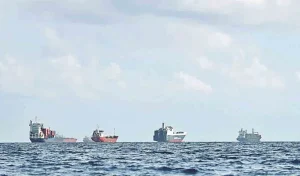
According to maritime analytics firms Windward and Kpler, approximately 706 ships—including 334 oil tankers—are currently stranded in the region. Since one-fifth of the world’s daily oil consumption passes through this narrow passage, experts suggest that over 85% of the global oil supply could be impacted if the blockade continues.
Impacts on India, China, and Global Fuel Prices
International analysts warn that if the closure persists, petrol and gas prices in major importing nations like India, China, South Korea, and Japan could skyrocket.
-
India’s Vulnerability: Nearly 50% of India’s oil supply moves through the Strait of Hormuz, making the nation highly susceptible to a domestic fuel price hike and supply chain disruptions.
Deadly Retaliation: U.S. Bases and Embassies Attacked
Iran Israel war: Vowing revenge for the assassination of Supreme Leader Khamenei, Iran intensified drone and missile strikes on Tuesday:
-
Saudi Arabia: Drone attacks targeted the U.S. Embassy in Riyadh, causing massive fires.
-
Bahrain & Kuwait: Iran claimed to have destroyed a U.S. Airbase in Bahrain and targeted installations in Kuwait.
-
UAE: Drone strikes hit the Fujairah oil field and two Amazon data centers, causing significant structural damage.
In response, the U.S. Embassy in Jerusalem has issued a “shelter-in-place” order for all Americans in Israel, stating they are currently unable to facilitate evacuations.
Israel and U.S. Strike Back: Iran’s Defense Minister Killed (Iran Israel war)
The Israeli military confirmed heavy bombardment of Tehran, targeting the Presidential Office and the Supreme National Security Council building.
-
High-Level Casualties: Reports indicate that Iran’s newly appointed Defense Minister, Majid Ibn al-Reza, was killed in an Israeli strike just 24 hours after taking office.
-
Nuclear Site Targeted: The International Atomic Energy Agency (IAEA) confirmed that U.S.-Israeli forces conducted strikes on the Natanz nuclear facility.
-
Casualty Toll: The Iranian Red Cross Society reports that 787 people have been killed in Iran (Iran Israel war) since the start of the joint U.S.-Israeli operations.
President Trump’s Stance: “It’s Too Late for Talks”
U.S. President Donald Trump addressed the escalating situation, noting that while Iran has now expressed a willingness to negotiate, he believes the window for diplomacy has closed.
“Iran wants to talk now, but I told them it’s already too late,” Trump stated, adding that the U.S. has yet to launch its “major” strikes.
U.S. officials have warned of devastating aerial campaigns against Iranian assets within the next 24 hours.