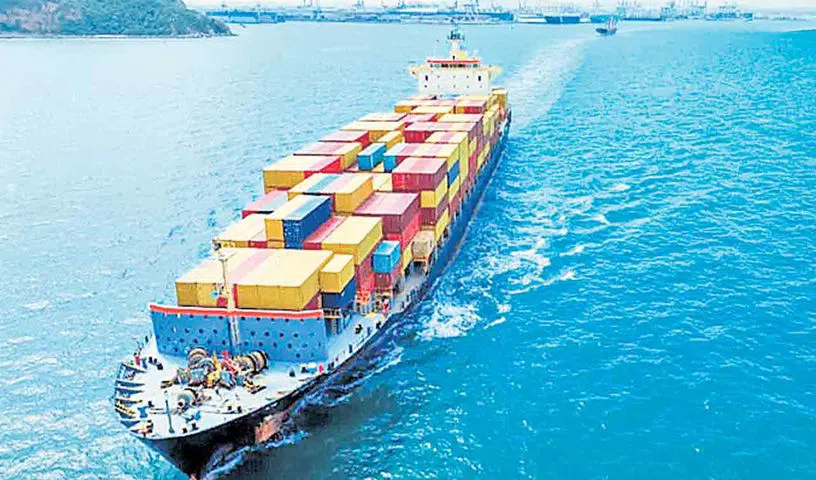
Middle East War:– The escalating conflict involving the U.S., Israel, and Iran has turned the maritime routes of West Asia into a high-risk, high-cost zone. Beyond the immediate threat of missile strikes, the global shipping industry is now facing a dual crisis: a total blockade of strategic routes and a massive surge in Marine Insurance Premiums.
Middle East War: The Surge in War Risk Premiums
As Iran targets commercial vessels and declares the Strait of Hormuz a closed zone, insurance companies are rapidly recalibrating their risk assessments.
-
Increased Costs: Shipping companies are now forced to pay “War Risk Premiums,” which have surged significantly. Industry insiders suggest that insurance costs for transiting the Gulf region could rise by hundreds of thousands of dollars per voyage.
-
Policy Cancellations: Many global insurers are issuing cancellation notices for existing policies in the region, forcing operators to renegotiate at much higher rates to cover potential losses from drone attacks or seizures.
Rerouting and Logistics Delays
Middle East War: With the Strait of Hormuz effectively blocked, the flow of goods has come to a standstill for many.
-
The Long Way Around: Vessels that still choose to sail are avoiding the Persian Gulf, opting instead for the lengthy detour around the Cape of Good Hope in Africa.
-
Fuel & Time: This detour adds approximately 10 to 15 days to the journey, leading to a massive spike in fuel consumption and operational costs for shipping giants.
Impact on Consumers: Higher Prices for Goods
The burden of increased insurance and freight costs will ultimately trickle down to the end consumer.
-
Inflationary Pressure: It is not just oil and gas; the prices of imported electronics, raw materials, and essential commodities are expected to rise globally.
-
Supply Chain Disruptions: Experts warn that prolonged conflict will lead to a shortage of containers and delays in delivery, further destabilizing the global economy.
Expert Outlook
Economists predict that if the conflict does not de-escalate within the next 72 hours, the maritime insurance market may become “prohibitively expensive,” effectively paralyzing trade between Asia and Europe. For countries like India and China, which rely heavily on these waters for energy and trade, the economic fallout could be severe.